

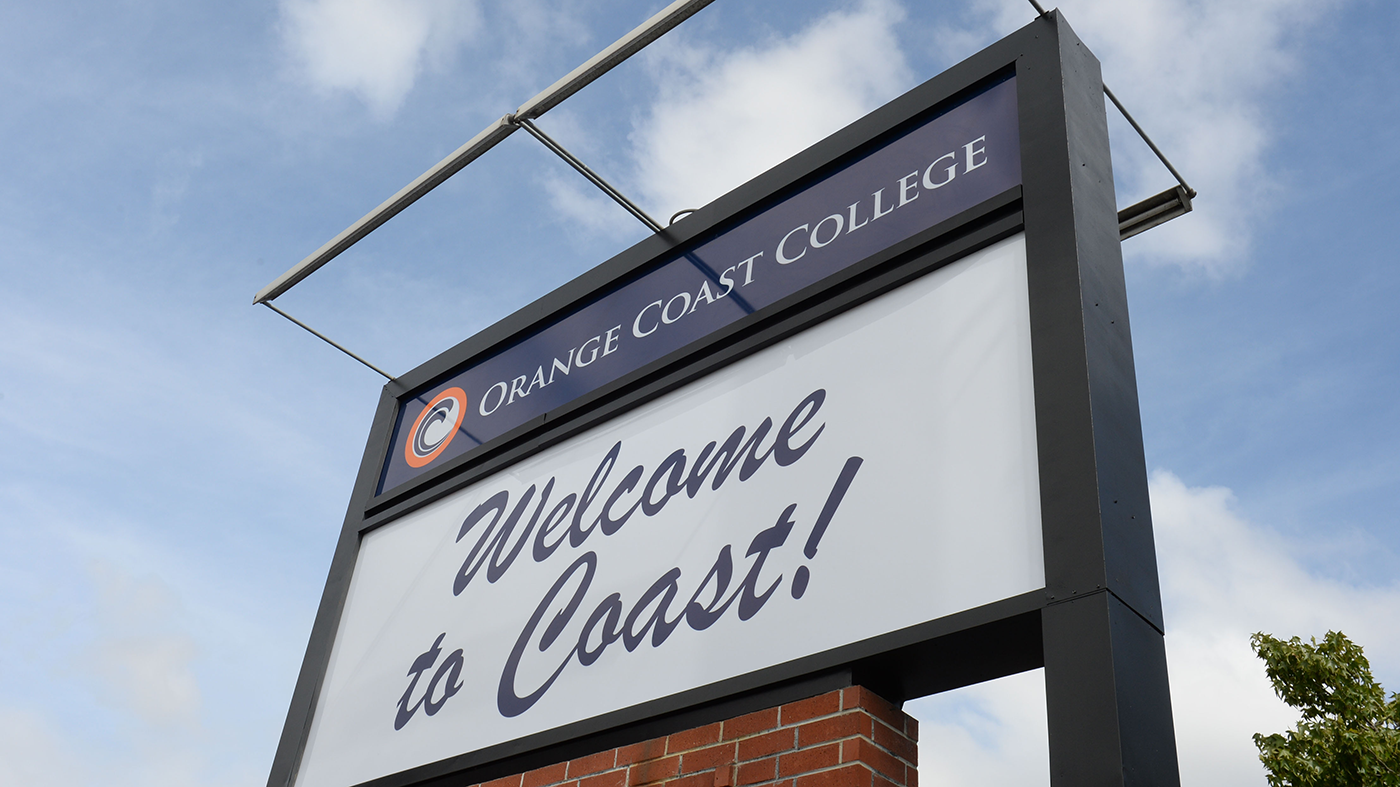
Orange Coast College has been awarded a highly competitive, five-year, $3 million grant through the U.S. Department of Education’s Strengthening Institutions Program (SIP), a highly competitive federal initiative that supports colleges serving low-income and academically underserved students. Running from October 1, 2026, through September 30, 2031, this five-year grant will enable OCC to advance student success, expand workforce development programs and foster innovative partnerships with local employers.
The SIP grant helps colleges build institutional capacity and become more self-sufficient by strengthening academic quality, institutional management, and fiscal stability.
With this grant, OCC will work on the Opportunity, Capacity, Competitiveness - Strengthening Workforce Programs for Long-Term Fiscal Sustainability project to create a Center for Innovation and Workforce Development, which will serve as a hub for workforce planning, employer engagement, career services, and experiential learning. Additionally, this grant will also strengthen career education programs through employer-faculty partnerships and launch an Advanced Transportation pathway connecting students to careers in maritime, aviation, aerospace, and transportation industries.
“This program is a major investment in the future of our students as well as the economic growth of our region,” says Orange Coast College President Angelica Suarez. “When we bring together faculty, employers, and other business partners, we can develop programs that reflect the needs of an ever-changing workforce, giving students direct routes from the classroom to viable, family-wage-earning jobs. The Center for Innovation and Workforce Development will increase this relationship while placing OCC at the forefront of developing and expanding emerging and high-demand sectors of employment.”
A key component of the project is the establishment of Business and Industry Leadership Teams (BILTs), which will bring faculty and employers together to identify emerging industry needs and help shape educational programs. OCC will also support faculty professional development and data coaching to strengthen the use of labor market information, employment outcomes, and industry trends in curriculum and program planning.
With the Advanced Transportation pathway, OCC will be better positioned to meet the needs of our region’s vast transportation and logistics network, including the Ports of Los Angeles and Long Beach, major airports, maritime operations, and a substantial aerospace industry. These industries increasingly require skilled workers with expertise in advanced technologies, transportation systems, manufacturing, and logistics.
The Advanced Transportation initiative will bring faculty and industry partners together to identify emerging workforce needs and develop coordinated educational pathways. Potential areas of focus include advanced manufacturing, unmanned aerial systems, port operations, vessel systems, transportation technologies, and supply chain management. The pathway development process will begin with industry engagement and program planning, followed by a pilot in the second year of the grant. Curriculum and pathway improvements will be developed and implemented over the remaining grant period.
By improving access to career services, work-based learning, and clearly defined educational pathways, OCC aims to help more students complete certificates and degrees and successfully enter high-demand, well-paying careers. Over the five-year grant period, OCC plans to develop or redesign at least seven high-impact workforce pathways, review at least 75 percent of its Career Education programs using a new workforce-aligned evaluation framework and increase student completions in redesigned pathways by 25 percent.
The grant will also support professional development opportunities for faculty, strengthen employer partnerships, and establish sustainable processes for evaluating and improving workforce programs beyond the grant period.